Live Well.
Retire with Confidence.

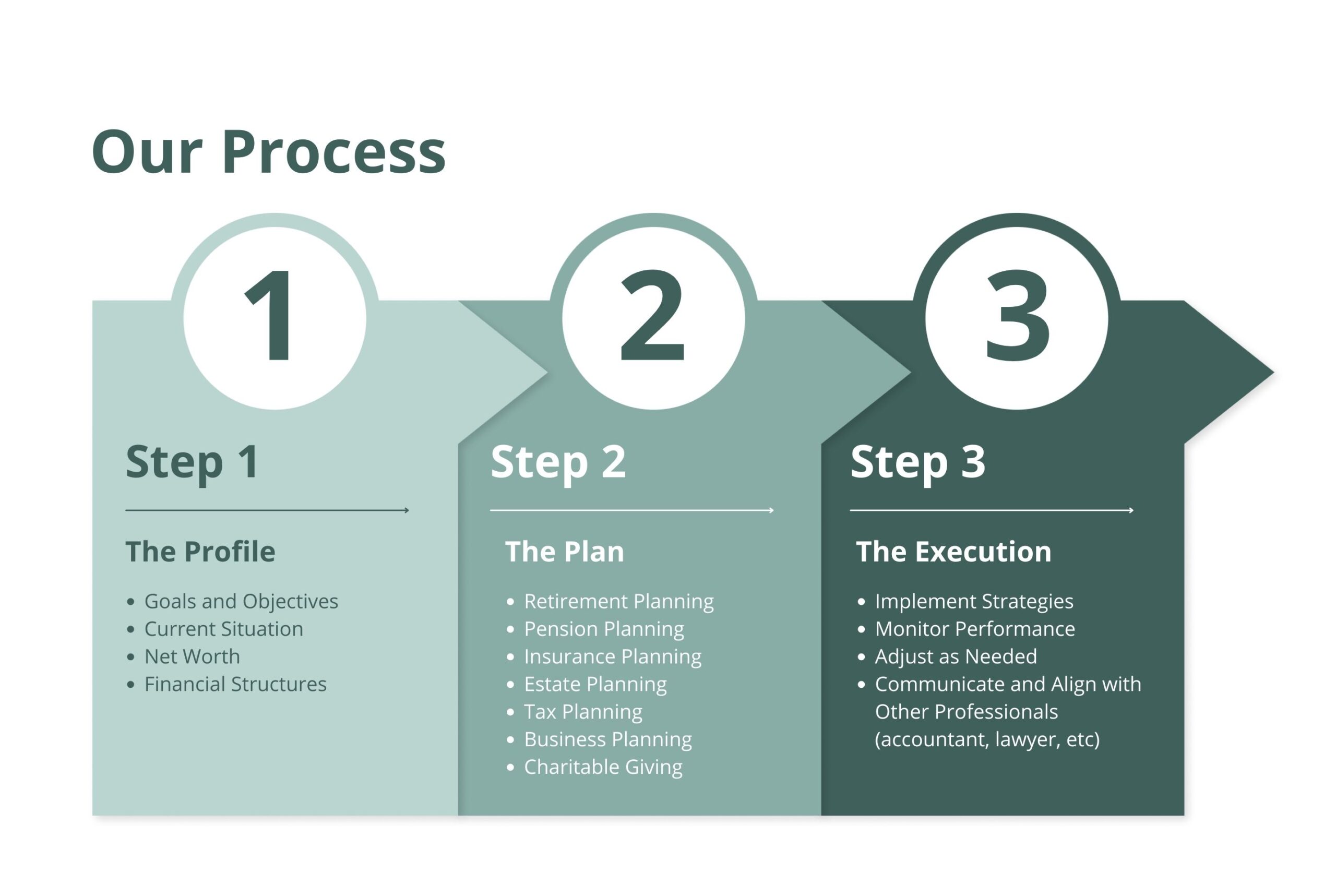
We believe that the key to proactive planning is to identify and articulate your unique financial concerns, goals and objectives. Together we can define your needs, allowing us to create solutions to manage your finances today and for the future.
Financial Clarity and Confidence.
Your future is one of the most important things in your life, and the financial health of your family plays a big role in how you feel about that future. You are not alone in this.
We are here to give you the peace of mind you deserve by providing an approach to finances that offers a broad range of diversified financial strategies that generate stable cash flow.
Our Services

Pension Planning
Planning your pension can never be overestimated. We help you to make smart decisions so you can retire with confidence.

Insurance Planning
Your family is your top priority. Doing the right thing when it comes to their future is important. And that means making sure they have the financial protection they’ll need if one of you dies unexpectedly or becomes seriously ill.

Retirement Planning
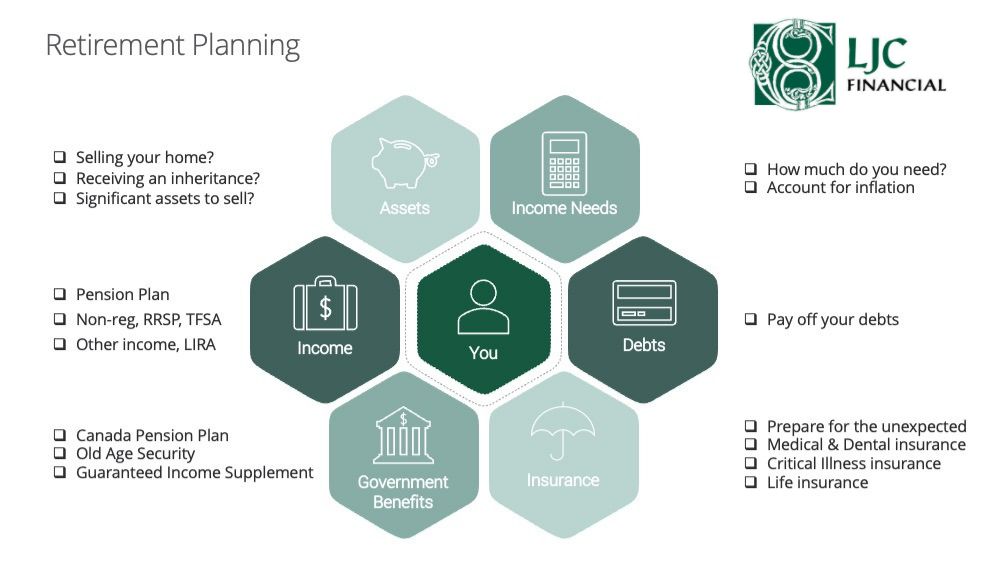
You can start retirement planning at any time, but it works best if you factor it into your financial planning from the beginning. And that’s the best way to ensure a safe, secure—and fun—retirement. The fun part is why it makes sense to pay attention to the serious and perhaps boring part: planning how you’ll get there. We take care of the boring part.

Estate Planning
You've worked hard to make your personal finances and business are successful. Now take care of it through the next generation and leave a lasting legacy. We can help you with this.
Get your free life insurance quote today!
Download our Retirement Checklist